|

|  
|
China successfully launches Tiangong-2 space lab
Home » Current Affairs|
|
|
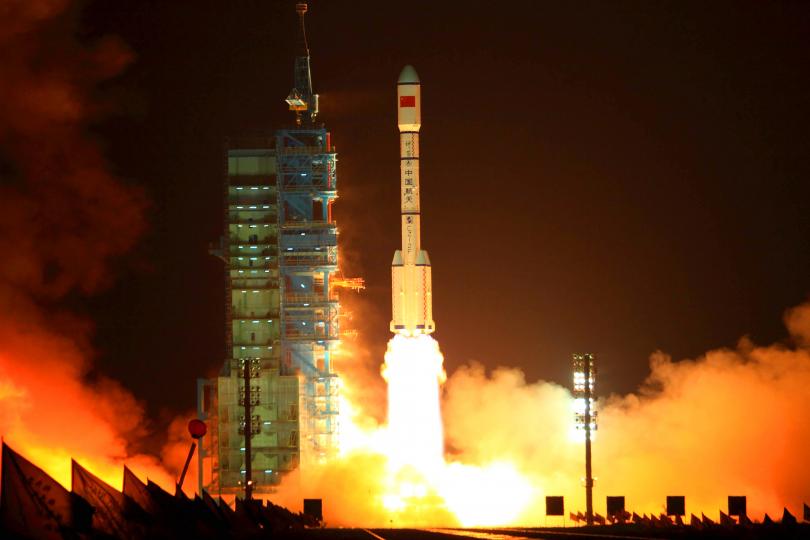
| China has successfully launched Tiangong-2 space lab to develop expertise for a future space station and conduct science experiments. The space lab was launched on board of Long March-2F T2 rocket from the Jiuquan Satellite Launch Center in northwestern China’s Gobi desert. Tiangong-2 ( in English means Heavenly Palace 2) space lab is part of China’s ambitious Project 921-2 space station program aimed at creating a third generation space station. The 8-tonne module replaces China’s now-defunct Tiangong 1 space lab mission which had ended its operational life in March 2016. Tiangong-2 features improved living quarters and life-support infrastructure for longer stays by visiting crewmembers. It will be used for testing systems and processes for mid-term space stays and refueling. It will be placed at slightly higher orbit around 393 kilometres above the earth. Note: The Tiangong-2 and its predecessor, Tiangong-1 (launched in September 2011), are prototypes for China’s ultimate goal to launch a permanent 20-ton space station after 2020 just as International Space Station (ISS). It will make China potentially the only country with a permanent space presence. In 2003, China had conducted its first crewed space mission becoming only the third country after Russia and the US to do so. |